History of Ancient Coins: A Comprehensive Guide

Chosen theme: History of Ancient Coins: A Comprehensive Guide. Step into bustling markets, royal treasuries, and windswept archaeological fields as we trace how small metal disks carried big ideas across ancient worlds. If this fascinates you, leave a comment about your favorite coin story and subscribe for future deep dives.

The Birth of Coinage: From Electrum to Empire

Lydia’s Electrum Experiment

In the 7th century BCE, Lydian rulers pioneered coinage by striking electrum—natural gold-silver alloy—into standard pieces marked with authoritative seals. Croesus later refined the idea, separating gold and silver issues, turning precious metal into reliable money that merchants could trust without constant weighing.

City-States Embrace the Standard

Greek centers like Aegina minted turtle coins for maritime trade, while Athens issued the famous owl tetradrachms, accepted far beyond Attica. Simple images carried reputations of weight, purity, and civic pride, allowing a sailor in Egypt to trust a piece minted hundreds of miles away.

A Market-Day Anecdote

Imagine a potter in Miletus receiving a stamped electrum piece instead of a bag of grain. The emblem on the coin assured him of value, replacing awkward barter with a pocketable promise. If you’ve ever felt the thrill of exact change, you’ve tasted a very ancient convenience.

Casting and Striking

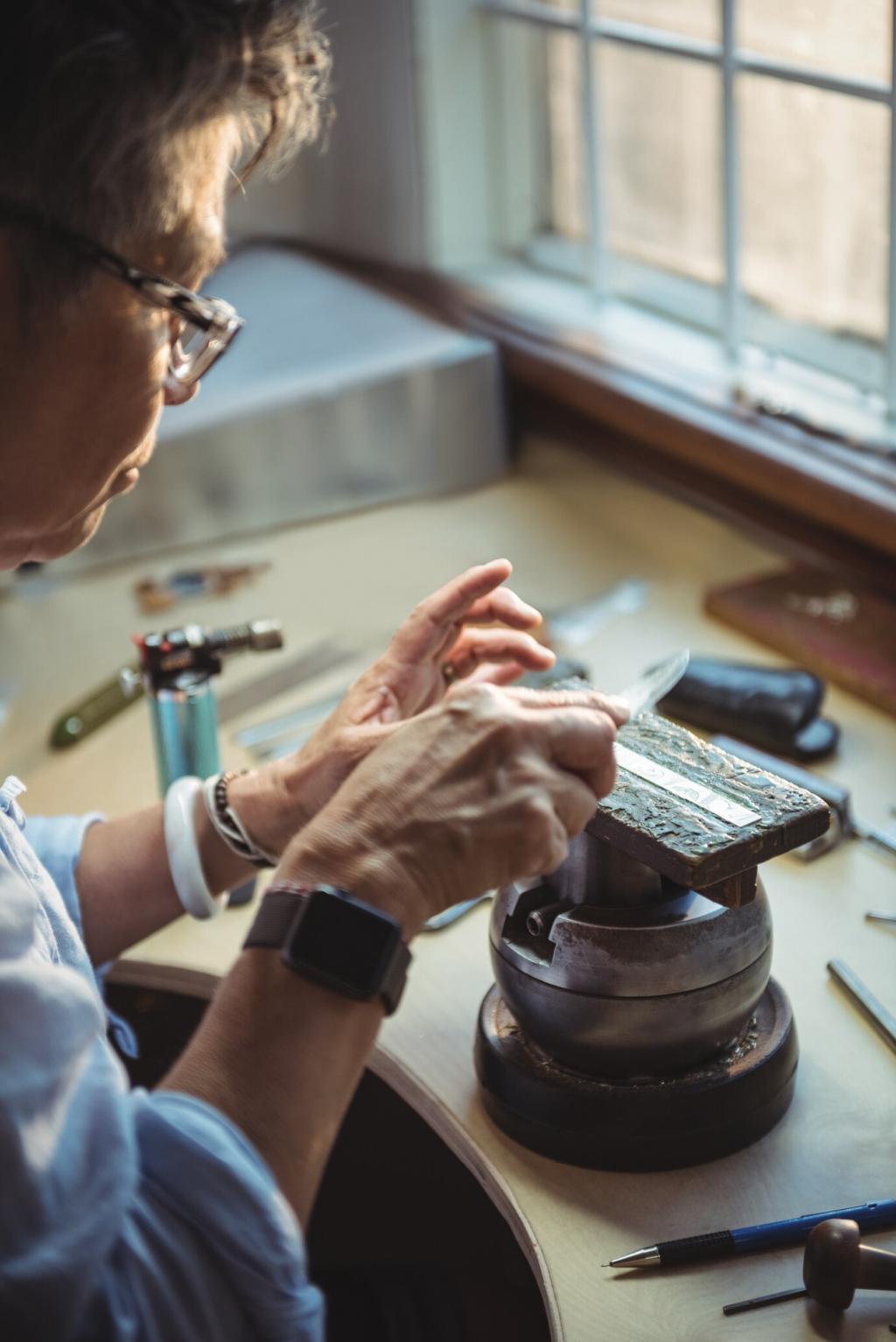
Mediterranean coins were typically hammered: a hot blank placed between engraved dies, struck with a decisive blow. In East Asia, many coins were cast in molds. Technique shaped design—struck pieces showcased crisp portraits, while cast cash emphasized uniform shapes suitable for stringing and daily use.

Standards and Alloys

Gold, silver, and bronze each told different stories of value. The Attic standard helped Athenian owls circulate widely, while bronze enabled small transactions. Alloys and weight systems acted like invisible contracts, letting a farmer or soldier instantly know what a coin could buy, owe, or settle.

Images That Spoke: Iconography and Power

Athena and her owl told of wisdom and strength; Corinth’s Pegasus galloped across seas of trade. Symbols signaled identity instantly, even to the illiterate. These images stitched communities together, turning everyday purchases into public affirmations of who they were and what they defended.

Circulation and Society: Coins on the Move

Athenian tetradrachms—sturdy silver with a friendly owl—appear in hoards from Egypt to the Levant. Their weight and purity earned them a passport across cultures. These reliable disks greased commerce, paid customs, and filled temple treasuries, proving reputation is a currency all its own.

Circulation and Society: Coins on the Move

Coin flows often followed legions and fleets. Soldiers received standardized pay, then spent it near camps, jump-starting local markets. Victory brought plundered bullion to mints, which returned as salaries and infrastructure. Where coins go, roads, supply depots, and cities tend to grow and endure.

Crisis and Confidence: Debasement, Fakes, and Reform

Rome’s antoninianus began bright and silvered but slid toward base metal during military and political turmoil. Prices climbed, people hoarded better coins, and confidence frayed. It is a cautionary tale: when content declines, narratives must work overtime—and sometimes even propaganda cannot pay the bill.

Crisis and Confidence: Debasement, Fakes, and Reform

Ancient forgers wrapped a base core with thin silver to pass as solid. Scratches, bite tests, and edge splits gave them away. Authorities punished harshly, but counterfeiters persisted. Have you spotted a fourrée seam under magnification? Tell us how you recognized the deception before trusting your eyes.

What Hoards Reveal: Stories Unearthed

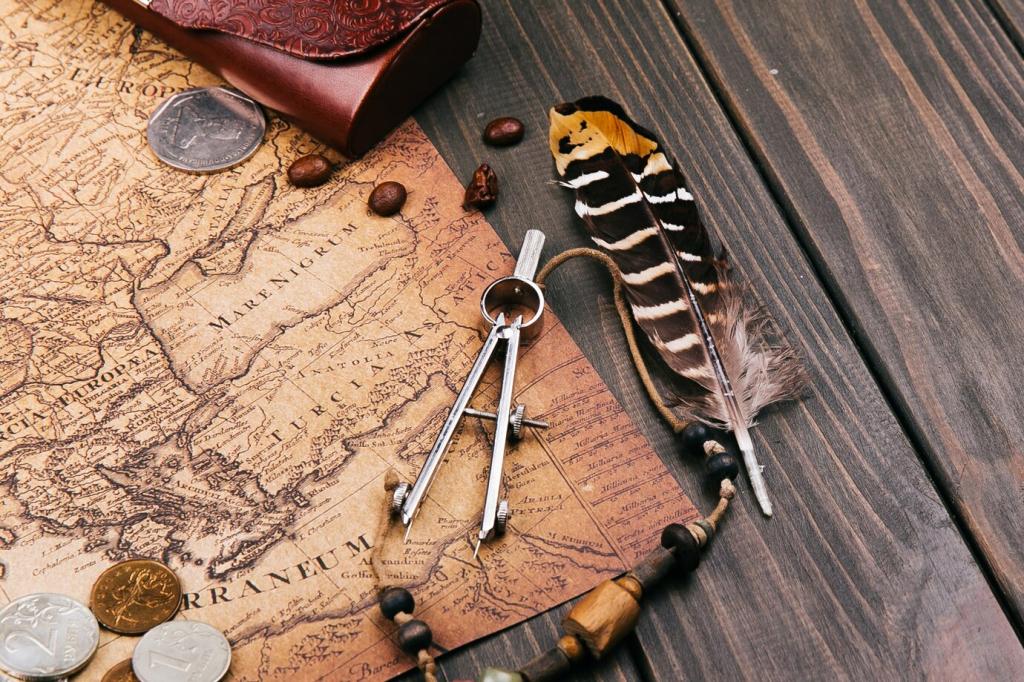
The Frome Hoard, with over fifty thousand Roman coins, illuminated third-century issues and circulation. Britain’s Hoxne Hoard revealed late Roman wealth and careful concealment. Each discovery reshapes timelines, confirms reforms, or exposes crises. The earth remembers what books sometimes forget or never recorded.

Caring and Collecting: Preservation, Provenance, and Curiosity

Avoid harsh cleaning; it can strip ancient surfaces and erase irreplaceable details. Use inert holders, stable humidity, and gentle lighting. A careful cabinet is a museum in miniature. Share your storage tips, and ask questions if you are unsure—your coin’s next century begins with you.

Caring and Collecting: Preservation, Provenance, and Curiosity

Provenance matters. Documentation, reputable sources, and scholarly references protect both wallet and heritage. A genuine coin without a story is only half complete. What steps do you take to verify a piece? Add your checklist, and let’s build a community reference that helps newcomers navigate wisely.
Zanirelovaxono
Privacy Overview

This website uses cookies so that we can provide you with the best user experience possible. Cookie information is stored in your browser and performs functions such as recognising you when you return to our website and helping our team to understand which sections of the website you find most interesting and useful.