The Art and Craftsmanship of Ancient Currencies

Step into the workshop of history. Our chosen theme—The Art and Craftsmanship of Ancient Currencies—celebrates the hands, tools, symbols, and stories that shaped money into miniature masterpieces. Read, reflect, and share your voice as we uncover the artistry behind value.

From Ore to Planchet

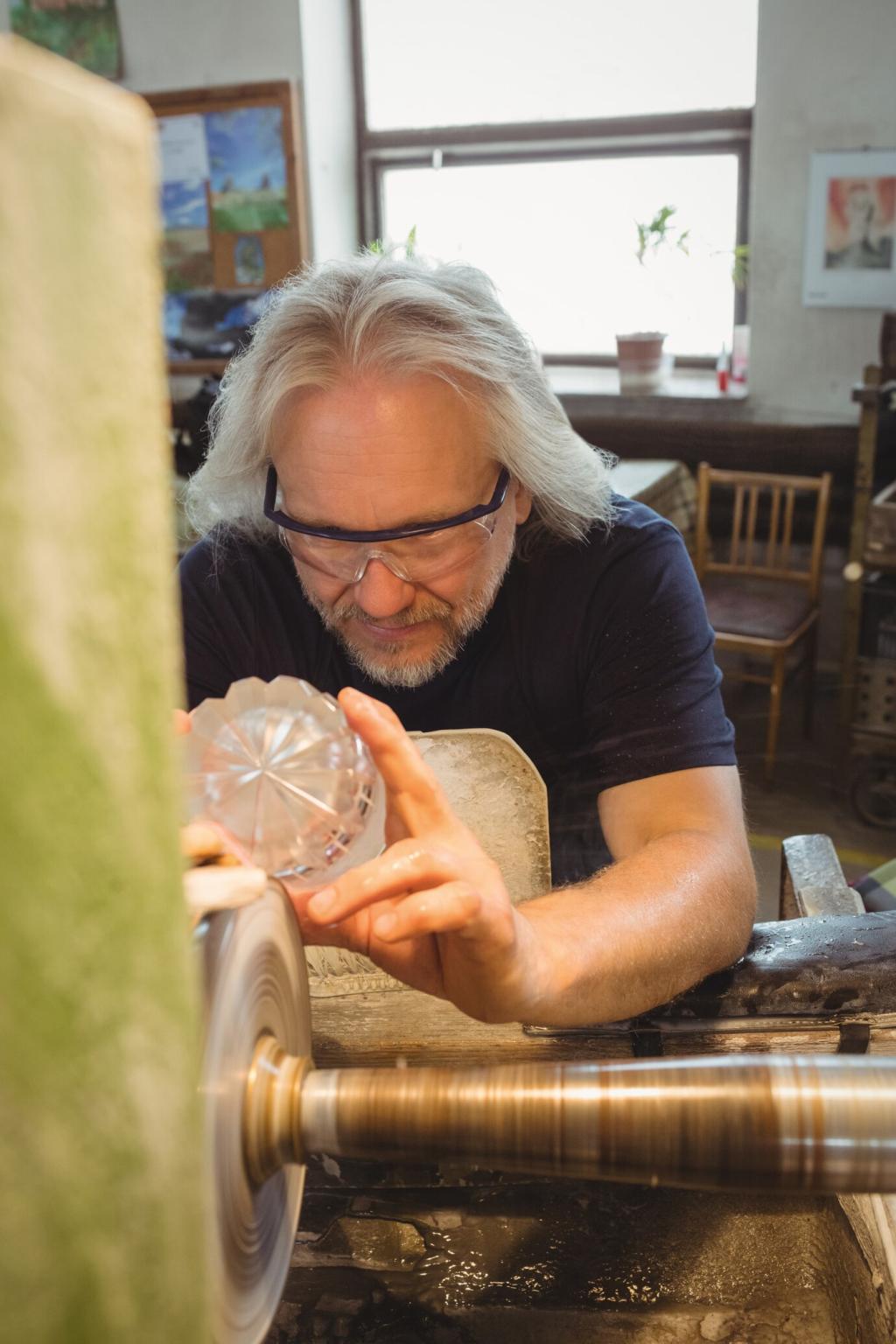
Metal traveled a long journey—mined, smelted, alloyed, and poured into ingots before being cut and hammered into planchets. Each step influenced texture, luster, and strike quality, making the finished coin both a technological achievement and a tactile piece of crafted beauty.

The Engraver’s Hand

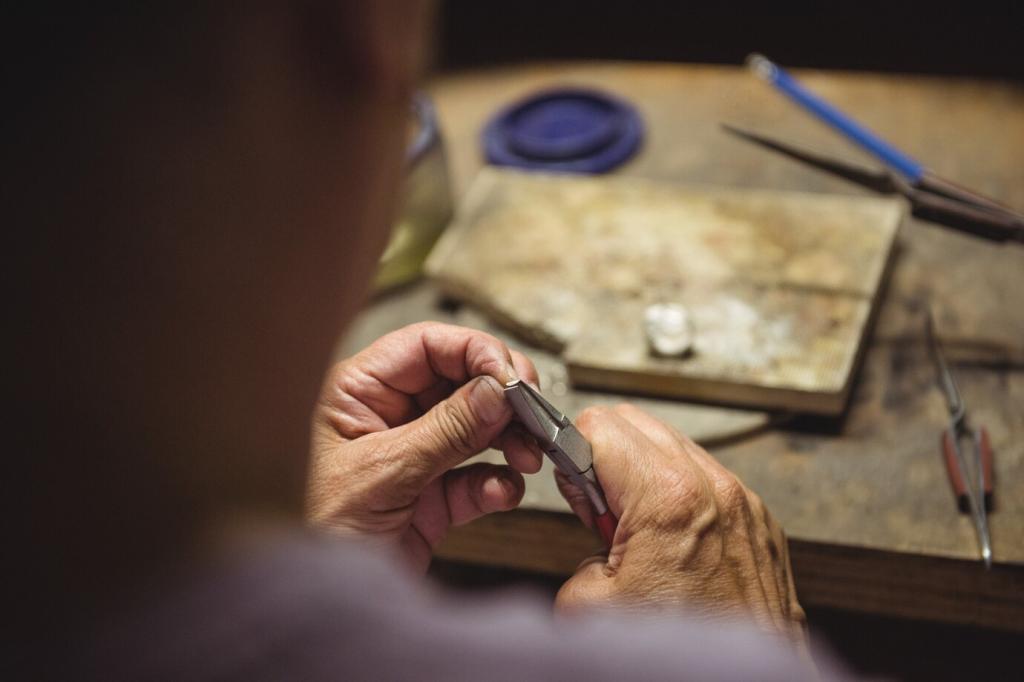
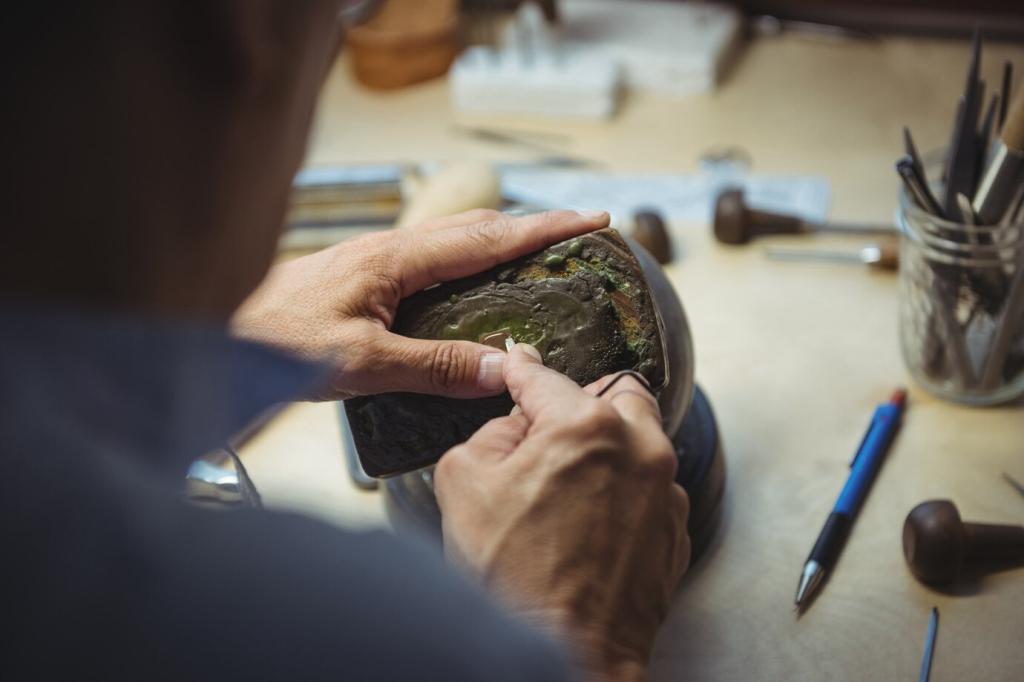
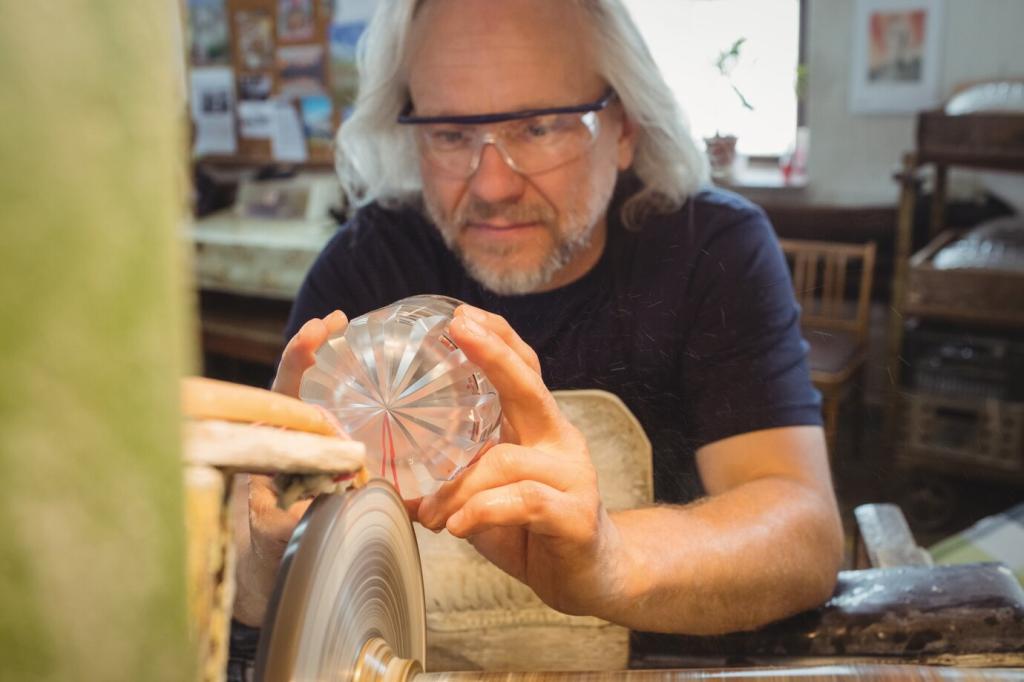
Die engravers carved designs in negative relief, balancing iconography with practical wear. Greek masters in Syracuse even signed their dies, turning currency into personal art. Share your favorite engraved detail you’ve seen—letters, curls, or tiny symbols hiding in plain sight.

Hammer, Die, and the Singular Strike

Before machinery, mint workers placed a heated planchet between engraved dies and delivered a decisive hammer blow. The result depended on timing, alignment, and strength, producing off-center charms, double strikes, and the delightful individuality collectors adore today.

Symbolism in Metal: Meaning Beyond Money

An Athenian owl promised wisdom and trust, laurel wreaths whispered victory, and thunderbolts evoked divine power. These symbols turned coins into storytellers. Tell us which emblem speaks to you most and why its message endures across centuries of change.

Symbolism in Metal: Meaning Beyond Money

Rulers placed idealized portraits on coins to legitimize authority and broadcast stability. A coin’s face traveled farther than any speech. Notice hairstyles, diadems, and gazes—they are intentional cues guiding how subjects perceived leadership and legitimacy.

Symbolism in Metal: Meaning Beyond Money

Inscriptions in Greek, Latin, Brahmi, or early Chinese characters anchored coins to administration and law. Dates, mints, and titles transformed images into testimony. Try reading a legend aloud and experience how typography itself becomes an instrument of power.

Symbolism in Metal: Meaning Beyond Money

Lorem ipsum dolor sit amet, consectetur adipiscing elit. Ut elit tellus, luctus nec ullamcorper mattis, pulvinar dapibus leo.

The Mold Rooms of Ancient China

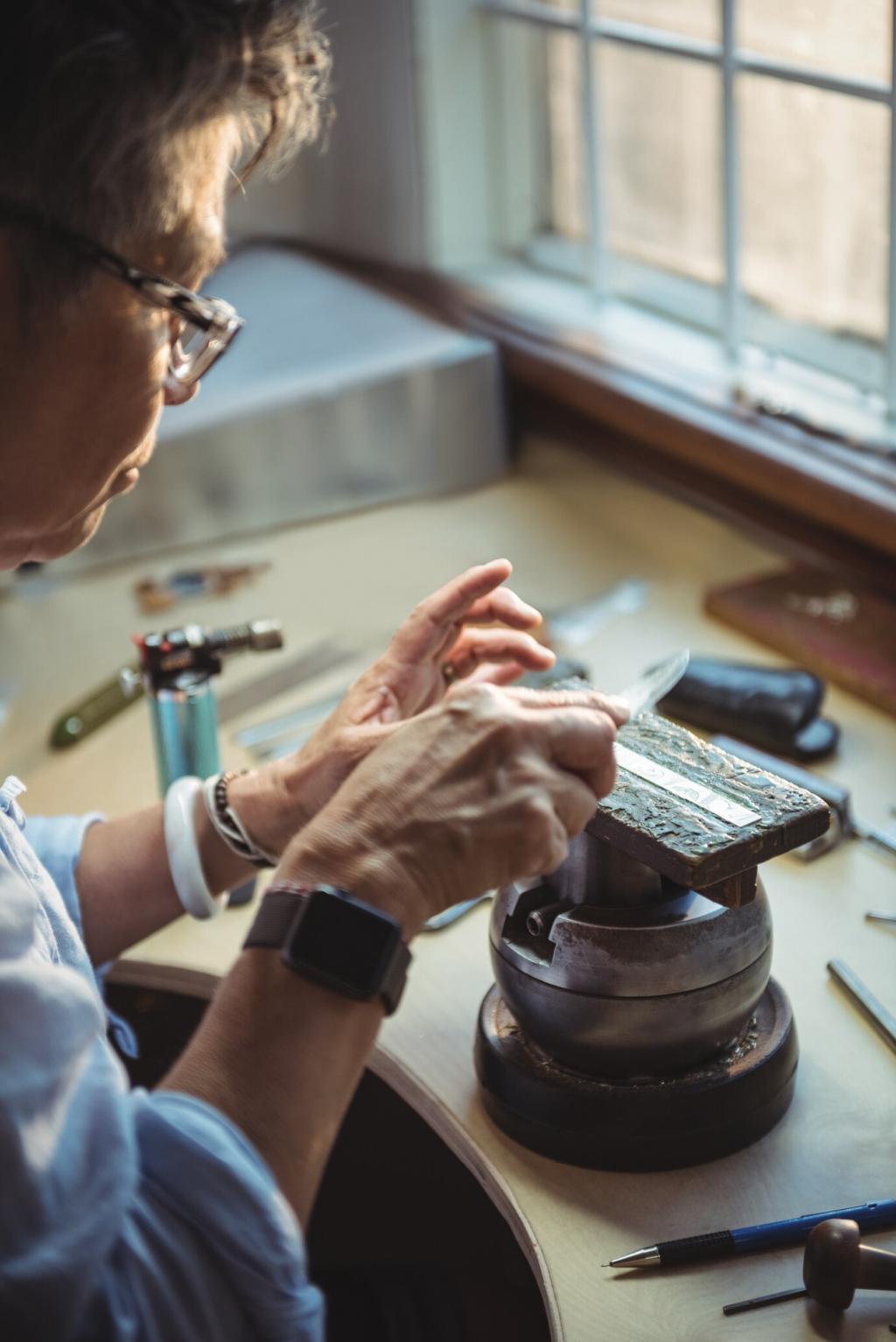
Bronze coins were cast in clay or bronze molds, often in impressive multiples. Uniformity, square central holes, and neat calligraphy display a disciplined craft tradition. Share your reactions to cast coin symmetry compared with the lively variability of hammered pieces.

Knife and Spade Money

Before round cash, some Chinese states used cast knife and spade forms. Their silhouettes balanced symbolism with function, demonstrating how money can also be sculpture. Would you carry a currency shaped like a tool? Tell us how design affects trust.

Metallurgy and Beauty: Alloys, Color, and Value

Early electrum—naturally mixed gold and silver—gleamed with unpredictable hues. Its variable composition challenged trust and spurred innovation in refining. Reflect on how uncertainty in metal led to more standardized currencies and tighter controls over purity and minting.

Metallurgy and Beauty: Alloys, Color, and Value

When silver content fell, engravers sometimes leaned on bolder reliefs and crisp motifs to maintain perceived quality. The design compensated for the ledger. Tell us if you’ve seen coins where style seems to outshine the shrinking substance beneath.

Three-Minute Look

First, scan fabric and strike—center, relief, metal flow. Second, decode imagery—symbols, posture, attributes. Third, read legends—titles, dates, mints. Post your three-minute observations in the comments and compare with fellow readers’ insights and surprises.

Follow the Tool Marks

Tilt the coin under light to catch die polish lines and microscopic burrs. These tiny tracks map human effort. Tell us what tool marks you’ve spotted, and how they changed your appreciation of the craft behind the finished design.

From Detail to Story

Choose one element—a spear, cornucopia, or wreath—and build a narrative: who chose it, why it mattered, how it circulated. Share your story and subscribe for monthly prompts that sharpen your eye and deepen your historical imagination.
Zanirelovaxono
Privacy Overview

This website uses cookies so that we can provide you with the best user experience possible. Cookie information is stored in your browser and performs functions such as recognising you when you return to our website and helping our team to understand which sections of the website you find most interesting and useful.