Ancient Currencies and Their Role in Trade and Economy

Selected theme: Ancient Currencies and Their Role in Trade and Economy. Journey through markets, caravan routes, and coin mints to see how early money powered exchange, built empires, and shaped everyday lives. Share your thoughts and subscribe for more time-traveling economic stories.

Grain, Silver, and the Temple Ledger

In Mesopotamia, barley rations and silver shekels were tallied on clay tablets, translating labor, rent, and offerings into measurable units. This ledger culture made exchange predictable, letting strangers trust weights and promises rather than personal relationships alone. Comment your favorite early ledger story and join our newsletter.

Cowries on Seaborne Trade Winds

Cowry shells rode Indian Ocean monsoons into markets from South Asia to Africa, prized for their beauty, durability, and countable uniformity. Their portability simplified small transactions where metal was scarce, fostering lively regional trade. Which shell-money tale fascinates you most? Tell us below and subscribe for more.

From Gift to Price: The Social Leap

Early money reframed gifting and reciprocity into prices and contracts, loosening obligations while widening networks. The shift did not erase relationships; it standardized them, creating reliable exchange across cultures. Do you see echoes of this shift in today’s digital payments? Share your take in the comments.

Lydian Sparks, Greek Owls, and Rome’s Denarius

Lydian minters mixed gold and silver into electrum staters, stamping them to certify weight and purity. Merchants no longer needed to assay each nugget, accelerating transactions at market stalls. Imagine bargaining in Sardis with a handful of stamped certainty. Would you trust electrum? Join the discussion and subscribe.

Lydian Sparks, Greek Owls, and Rome’s Denarius

Athens minted high-quality silver tetradrachms with a solemn owl, a reliable standard beloved from Egypt to the Black Sea. Sailors in Piraeus paid crews, while grain shippers settled cargoes with owls. Which ancient coin design would you carry for luck? Comment your choice and stay tuned.

Currencies Along the Silk Roads

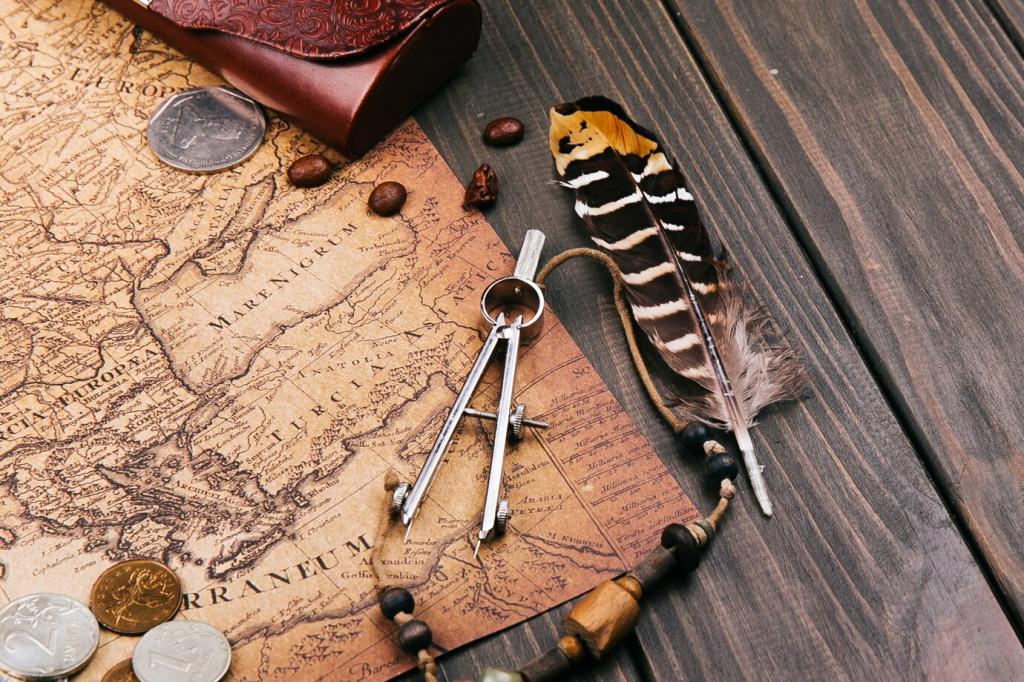
Bronze cash coins, pierced and strung, clinked along caravan routes. Han wuzhu pieces traveled with tea, lacquer, and silk, their standard weights easing everyday deals. Picture a merchant counting strings in a mountain inn. Would you carry coins by the cord? Tell us and subscribe.

Everyday Money in the Ancient Marketplace

Our potter counts silver owls before buying clay, then pays an apprentice in small fractions. By noon, cups trade for olives and gossip. Money here is rhythm, not theory. What daily purchase best teaches you about value? Share your answer and subscribe for more living-history vignettes.
Egyptian papyri, smudged with ink and life, record rent in drachmas, oil purchases, and taxes due. Honest scales guarded trust, and scribes preserved it. Which archival document would you most want to read firsthand? Comment your pick and join our newsletter for curated finds.
Graffiti in Pompeii mentions taverns, wine, and playful boasts, hinting at coins exchanged with laughter and song. Everyday money bought pleasures, not just staples. What small luxury would your ancient self save for? Tell us below and follow for more market-side stories.

Trust, Debasement, and Monetary Crises

From shaved edges to diluted silver, manipulations eroded trust. Nero’s debasement forced traders to weigh coins again, adding friction to every sale. How do you spot trust signals in payments today? Share insights in the comments and subscribe for a deeper dive next week.

Trust, Debasement, and Monetary Crises

Diocletian’s price edict tried to tame inflation with legal ceilings, but markets ducked underground and barter resurged. Rules alone could not repair credibility. Which policy lesson feels timeless here? Join the discussion and follow for more policy echoes across eras.
Zanirelovaxono
Privacy Overview

This website uses cookies so that we can provide you with the best user experience possible. Cookie information is stored in your browser and performs functions such as recognising you when you return to our website and helping our team to understand which sections of the website you find most interesting and useful.